
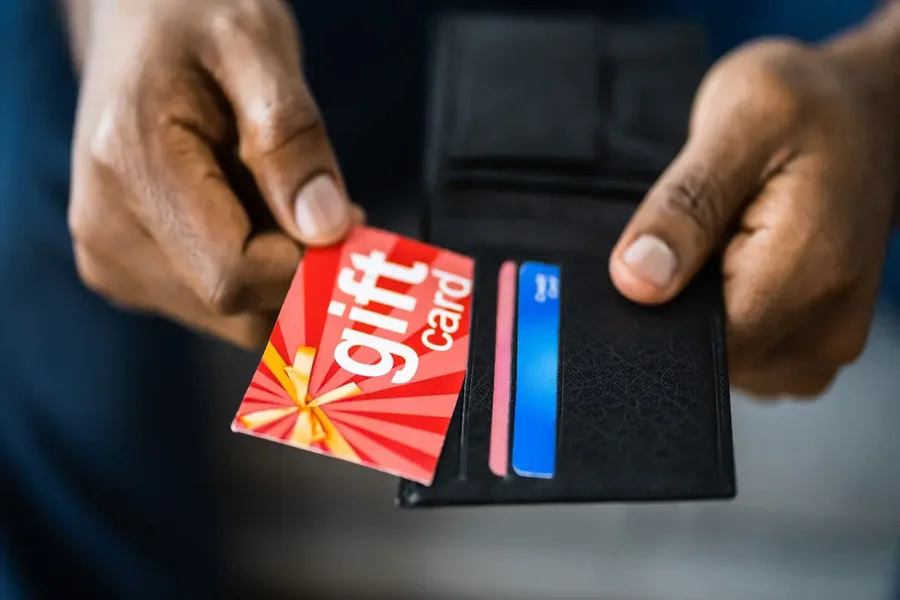
Gift cards feel like a win the moment they sell. A guest hands over $100, walks out with a plastic card, and the money lands in the bank the same day, often weeks or months before anyone redeems a cent of it. It is tempting, and common, to treat that deposit the same way as a dine-in check: ring it up as revenue and move on.
That habit is one of the more expensive bookkeeping mistakes a restaurant can make, and it rarely shows up as a problem until tax season, an audit, or a state compliance letter forces the issue. Gift card sales are not revenue when they happen. They are a liability, and how that liability is tracked (or isn’t) has real consequences, for the accuracy of your financial statements, for your tax filings, and in many states, for a compliance obligation most owners have never heard of.
A Gift Card Sale Isn’t a Sale Yet
When a guest buys a gift card, the restaurant hasn’t delivered anything yet, no food, no service, nothing that’s actually been earned. Under standard accounting rules, that $100 sits on the books as deferred revenue, a liability representing an obligation to provide $100 worth of food and drink in the future. Revenue is only recognized when the card is actually redeemed, dollar for dollar, as the guest uses it.
When restaurants skip this step and book the cash as revenue at the point of sale, two things go wrong at once. The income statement overstates sales in the month the card was sold, making that period look stronger than it was, and understates sales in the months the card actually gets redeemed, since that revenue was already counted once. Margins, labor cost percentages, and every ratio calculated off those numbers end up distorted in both directions.
Breakage: The Part Almost Everyone Forgets
Not every gift card gets redeemed. Cards get lost, forgotten in a drawer, or simply never used, and the portion of the liability tied to cards that will likely never be redeemed is called breakage. Under current accounting guidance, a restaurant is allowed to recognize breakage as income, but only using a reasonable, supportable estimate based on historical redemption patterns, not a guess made up at year-end to make the numbers look better.
This is where most independent restaurants fall into one of two traps. Either they never recognize breakage at all, leaving genuine income sitting on the balance sheet as a liability indefinitely, or they recognize it inconsistently, writing off old card balances in a single lump sum whenever someone happens to notice the account has grown large. Both approaches create numbers that won’t hold up if a lender, buyer, or auditor ever asks how that figure was calculated.
The Compliance Layer Most Owners Don’t See Coming
Beyond the accounting treatment, unredeemed gift card balances run into state unclaimed property law, often called escheatment. Many states require businesses to remit the value of gift cards that have gone unused past a certain dormancy period, sometimes three to five years, to the state treasury, with specific reporting and filing deadlines. The rules vary significantly by state, and some states exempt gift cards entirely while others enforce it aggressively.
A restaurant that has never separated gift card liability from general revenue has no way of knowing which card balances are even subject to this requirement, let alone when they’re due. Missing an escheatment filing isn’t a quiet mistake. States actively audit for unclaimed property compliance, and penalties and interest can accumulate for years before a business even realizes there was a filing obligation in the first place.
What Clean Gift Card Tracking Actually Looks Like
Fixing this doesn’t require complicated systems, it requires a dedicated liability account for gift card sales, separate from general revenue, with redemptions tracked against it as they happen rather than netted out at month-end. A periodic breakage estimate, reviewed annually against actual redemption history, keeps that income recognized on a defensible schedule instead of all at once or not at all.
This is exactly the kind of structural detail that experienced restaurant bookkeeping services build into the chart of accounts from day one, long before gift cards become a large enough balance to cause a problem. Once the liability account exists and redemptions flow through it correctly, the breakage calculation and any eventual escheatment filing become a routine review instead of an unpleasant discovery.
Prepaid Revenue Shows Up Far Beyond Restaurants
Gift cards are the most visible version of this problem, but the same deferred revenue logic applies to any business that collects money before delivering the service behind it, a gym selling annual memberships, a salon selling prepaid packages, a contractor collecting a deposit before work begins. In every case, the cash in the bank and the revenue that’s actually been earned are two different numbers, and treating them as the same one distorts the picture of how the business is really performing.
Reliable business bookkeeping services set up that separation correctly from the start, whatever the industry, so prepaid cash gets tracked as a liability until it’s earned, income gets recognized on a basis that would survive scrutiny, and compliance obligations like escheatment don’t surface as a surprise years after the fact.
None of this means gift cards are a bad idea. They remain one of the simplest ways for a restaurant to bring in upfront cash and attract new guests. The mistake isn’t selling them, it’s treating the proceeds as earned the moment they land in the bank.
If your restaurant sells gift cards and your books have never separated that liability from everyday revenue, it’s worth a closer look before the balance grows large enough for a lender, a buyer, or a state auditor to be the one who finds it first. A short review now, against several years of redemption history, is far less painful than reconstructing it later under a deadline you didn’t choose.