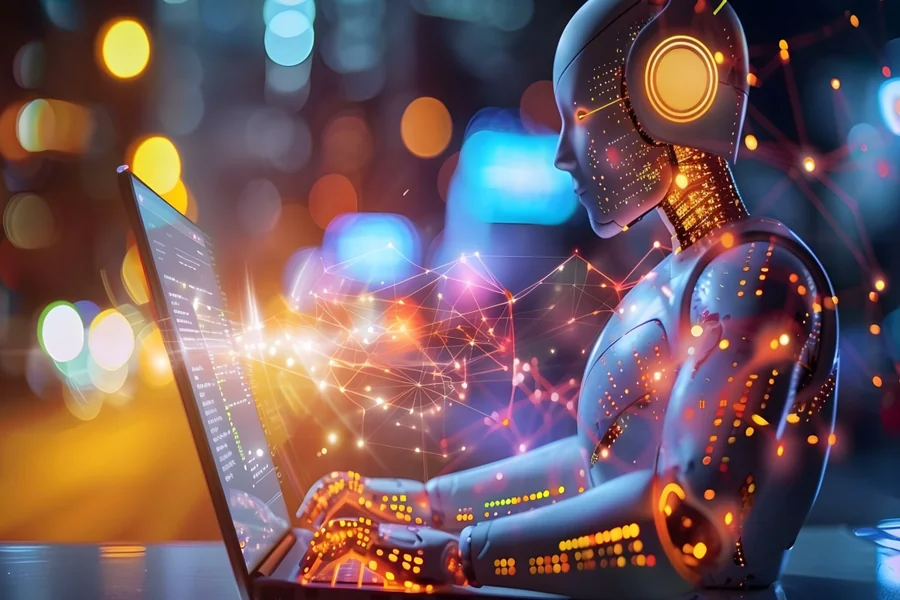
Visual content is no longer limited to professional design teams and expensive production workflows. Businesses, publishers, marketers, and independent creators now need fresh images for websites, social platforms, advertisements, presentations, and video projects. Meeting that demand consistently can be difficult when every visual requires substantial planning, editing, or outside resources.
Artificial intelligence is changing how these assets are developed. Instead of beginning every project with a blank canvas, creators can describe an idea, provide a reference, and explore several visual directions in a short period. This shift is particularly useful during brainstorming, where speed and experimentation can influence the quality of the final concept.
The technology does not remove the need for creative expertise. Rather, it gives creators another way to explore ideas, refine concepts, and build visual content while keeping human judgment involved throughout the process.
Turning Creative Ideas Into Visual Concepts
A strong visual project often begins with an idea that is difficult to communicate through words alone. A written description may explain a scene, product, character, or mood, but seeing an early visual version can make the concept easier to evaluate.
An AI image generator can help creators turn descriptive prompts into visual starting points. This can be useful when developing campaign concepts, social media graphics, editorial illustrations, product scenes, or creative references.
The benefit is not simply producing an image quickly. Creators can explore several possibilities before deciding which direction deserves more attention. A marketing team, for example, could test different settings or compositions before developing a final campaign asset.
Reference images can also provide additional creative guidance. Combining written instructions with visual references gives creators more control over the intended composition and style.
This approach makes AI useful during the planning stage as well as production. It allows teams to discuss visual possibilities earlier and make creative decisions with greater clarity.
Prompting Becomes Part of the Creative Process
The quality of AI-generated imagery depends heavily on how clearly an idea is communicated. A vague prompt may produce an interesting picture, but it may not reflect the creator’s actual objective.
Useful prompts can describe the main subject, setting, lighting, perspective, mood, composition, and overall visual direction. These details provide a clearer framework and help reduce unnecessary variations.
However, effective prompting is rarely a one-time activity. The first result may contain the right subject but an unsuitable background, lighting arrangement, or perspective. Creators can then adjust individual details and generate another version.
This makes prompting similar to an early design process. Instead of manually creating every variation, the creator directs a series of visual experiments and evaluates the results.
For professional content, this distinction matters. AI can generate possibilities, but people still determine whether those possibilities communicate the intended message. Strong visual work therefore combines precise instructions with human review, editing, and creative judgment rather than relying entirely on automated output.
Supporting Marketing and Social Content
Modern marketing requires visual assets across many channels. A single campaign may need website graphics, social posts, advertisements, thumbnails, promotional images, and supporting visuals for video. Producing each asset separately can place considerable pressure on creative teams.
AI-assisted image creation can help teams explore variations more efficiently. A concept developed for one campaign can be adapted into different compositions, formats, or visual themes before the final assets are prepared.
This flexibility can also benefit smaller organizations. Teams without extensive design resources can use generated concepts as starting points and then refine them through conventional editing. The result can be a more efficient workflow without treating AI as a replacement for professional creative skills.
Platform requirements should still guide the process. A square social graphic, a vertical mobile visual, and a widescreen video asset may require different compositions and proportions.
Consistency is equally important. Colors, typography, brand elements, and overall messaging should remain recognizable across the campaign. AI can expand the number of ideas available, but a clear visual strategy determines which ideas belong in the final content.
Connecting Image Creation With Video Production
Images increasingly serve as building blocks for broader digital experiences. A generated visual might begin as a social post but later become a background, promotional scene, storyboard element, or starting point for a short video.
This connection between image and video production can make creative workflows more flexible. After developing a suitable still image, creators can add movement, transitions, text, music, and other elements to turn a static concept into dynamic content.
The approach is especially relevant for short-form video, where creators frequently need original visuals that can capture attention quickly. An image can establish the setting or visual identity before motion and editing are introduced.
Quality control remains important throughout this process. The original image should have suitable composition and clarity for its intended use, while the final video needs appropriate pacing and visual hierarchy.
As creative platforms increasingly connect image generation with editing and animation, creators can move between these stages more efficiently. The result is a workflow in which generating, refining, and adapting visual ideas become connected parts of the same production process.
Conclusion
AI image creation is becoming an important part of modern digital content because it allows creators to explore visual ideas more efficiently. From initial concepts to marketing graphics and video assets, AI can reduce the time required to develop different creative possibilities.
Its greatest value, however, comes from how it is integrated into a broader workflow. Clear prompts can guide generation, reference images can provide additional direction, and editing can transform an initial result into content that better fits a specific purpose.
Human expertise remains essential throughout this process. Creators must decide which concepts are useful, whether visual details are appropriate, and how each asset supports the larger communication goal.
As demand for original digital content continues to grow, AI-assisted workflows will likely become more connected with traditional design and video production. The most effective approach will combine faster experimentation with thoughtful creative direction, allowing technology to expand possibilities without removing the human decisions that give visual content meaning.