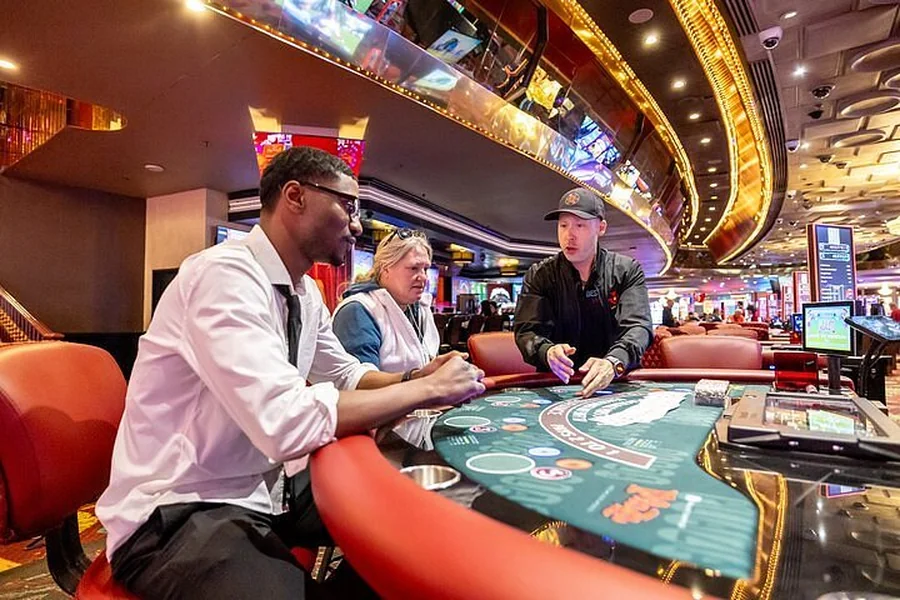
Virtual reality casinos are no longer a trade-show trick with a plastic headset and one lonely blackjack table. They are turning into social gambling rooms where a player can walk to a roulette wheel, hear chips clack, and read a dealer’s face. The tech still has rough edges. Headsets cost money, hands drift, and some games feel slower than a browser slot. Still, the mood has changed. Studios such as Evolution, Playtech, and smaller Unity teams are testing rooms that feel closer to a night out than a tab on a phone. Readers comparing highest payout online casinos can check https://ceus.ca/ as a starting point for Canadian players, then judge each site by licensing, withdrawal speed, and game depth.
What changed after flat-screen gambling
Early online casinos sold convenience. VR casinos sell presence. A person does not tap “spin” in silence; the person stands beside an animated machine, turns toward another avatar, and waits for the reels to stop. That tiny pause matters.
The gear got better fast. Meta Quest 3, PlayStation VR2, and Apple Vision Pro pushed clearer lenses and hand tracking into living rooms. Wi-Fi 6E cut lag enough for live tables to feel less sticky. Payment systems improved too, though slow cash-outs still ruin trust.
For a second checkpoint, the best current online casino highest payout picks for Canadian players should be compared with VR rooms, because shiny graphics mean little if a $500 win takes ten days to arrive.
Developers also learned a hard lesson from early metaverse hype. Empty rooms feel sad. So the better casino demos now schedule tournaments, add voice chat limits, and place dealers at fixed tables. Less chaos. More rhythm.
Why operators want a room, not a lobby
The business case is simple. A player who feels present stays longer, talks more, and notices side games that a flat menu hides. In tests shared at gaming conferences, VR sessions often run past the short five-minute bursts common on mobile slots. That extra time matters to casino math.
There is another reason. Brand memory. A plain sportsbook tab looks almost the same as ten rivals, but a VR penthouse with a snowy Toronto skyline, a live craps table, and a private poker balcony sticks in the mind. It gives marketing teams something to film.
Regulators will press harder as rooms get more social. Age checks, deposit caps, and reality breaks need to be visible inside the headset, not buried in account settings. A 20-minute timer on the wall beats a pop-up nobody reads.
Games that actually fit a headset
Slots were the first easy move, yet they are not always the best VR fit. A slot in 3D still depends on math, symbols, and speed. If the room adds nothing, the headset becomes a heavy monitor.
Table games make stronger use of space. Roulette gains tension because players watch the ball together. Blackjack feels more personal when the dealer points, waits, and reacts to a raised hand. Poker is trickier. Eye contact and tells are fun, but cheating controls must be strict, with tracked hands, recorded rounds, and limits on outside software.
The most interesting designs mix casino play with light quests. A scavenger hunt that awards free spins after a player finds three gold tokens sounds gimmicky, but it gives newcomers a reason to move. Small goals help. So do quiet corners for people who hate loud lobbies.
The trust problem behind the headset
VR raises familiar casino worries in a sharper form. Fairness needs proof, not mood lighting. Players should see the license, return-to-player figures, table rules, and dispute process without removing the headset. If a wheel is digital, the random number generator needs a named lab behind it, such as eCOGRA or iTech Labs.
Privacy is the bigger sleeper issue. A headset gathers head movement, voice, room outlines, and hand gestures. That is more personal than a cookie. Casinos collecting that data should explain what is stored, how long it stays, and who can see it.
Problem gambling tools need better placement too. A player in a headset loses track of time faster than a player staring at a laptop clock. Short breaks, session spend panels, and one-click exit buttons should sit inside the room. No hunting through menus.
What the next five years may bring
The near future looks less like a single giant casino and more like small connected venues. One poker room may sit beside a sports bar showing live odds. Another room may host baccarat in Mandarin on Friday nights and French roulette on Saturday. Niche schedules beat empty halls.
Hardware will decide the speed. If lighter headsets drop near $300, VR gambling will reach casual players. If prices stay closer to $800, it will remain a weekend novelty for fans with space at home. Browser-based VR could help because it cuts downloads, but payment security and identity checks still need clean design.
AI dealers will appear, especially at low-stakes tables. Real dealers will stay for premium rooms because people like human timing, small jokes, and imperfect smiles. The smart move for any player is simple: test a free room first, check the license, read withdrawal terms, then set a timer before the first paid chip lands. What feels fun after fifteen minutes? And what feels like noise after thirty? Write both down today.