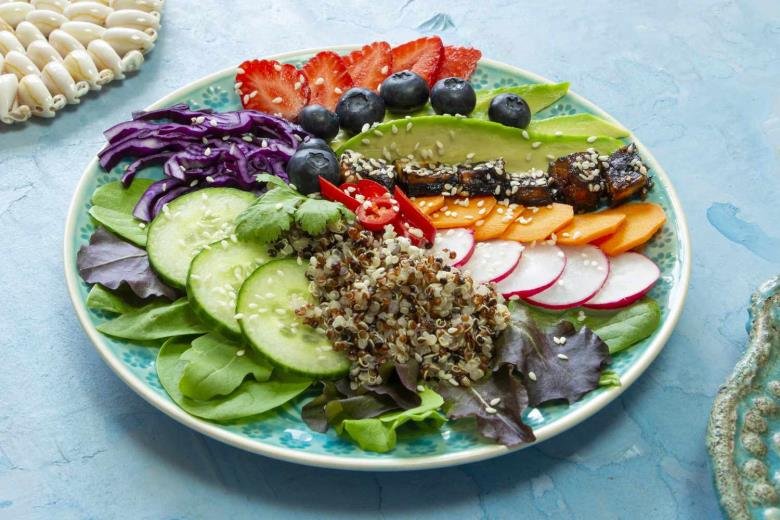
Food is one of the most important parts of everyday life. It gives us energy and provides nutrients that help the body grow and function properly. The food we eat can also affect our mood and sleep and long-term well-being. Yet eating well does not have to mean following a strict diet or giving up every food we enjoy.
Healthy food is about balance. It means choosing foods that give your body useful nutrients while still allowing room for foods you love. A healthy eating pattern can include fresh vegetables and fruits along with whole grains and protein sources and healthy fats. It can also include occasional treats without guilt.
Many people think healthy eating needs to be expensive or complicated. In reality some of the best choices are simple and affordable. Beans and lentils and seasonal vegetables and eggs and whole grains can all be part of nutritious meals.
The key is to build habits that you can follow for a long time. Small changes made regularly can have a bigger impact than a short-term diet that feels impossible to maintain.
What Does Healthy Food Really Mean?
Healthy food does not have one strict definition. Different people have different nutritional needs based on age and activity level and overall health. Still some basic principles can help almost everyone make better food choices.
A nutritious meal usually contains a mix of important nutrients. These include carbohydrates and protein and fats along with vitamins and minerals and fiber. Water is also an essential part of a healthy lifestyle.
Fruits and vegetables are especially valuable because they provide vitamins and minerals and fiber. They also contain many natural compounds that support overall health. Eating a variety of colors can make meals more interesting while helping you get different nutrients.
Whole grains are another useful choice. Foods such as brown rice and oats and whole wheat bread can provide more fiber than refined grain products. Fiber can help support healthy digestion and may also help you feel full after eating.
Protein is needed for muscles and tissues and many other functions in the body. Good sources include fish and eggs and poultry and beans and lentils and nuts and seeds. You do not need to depend on one protein source. Variety is often the vocalnewsmedia com.
Healthy fats also have a place in a balanced diet. Nuts and seeds and avocados and certain vegetable oils and oily fish can provide beneficial fats.
The goal is not to label every food as good or bad. Instead focus on the overall pattern of what you eat.
Why Healthy Food Matters for Daily Life
Food affects more than hunger. It plays a role in how we feel and how much energy we have throughout the day.
A balanced breakfast can help provide energy for a busy morning. A nutritious lunch can support concentration during work or study. A balanced dinner can help you meet your nutritional needs without relying heavily on highly processed foods.
Healthy eating can also support normal body functions. Your body needs nutrients to maintain bones and muscles and skin and the immune system. It also needs enough energy to support daily movement and basic body processes.
Fiber is particularly important for digestive health. It is found in foods such as vegetables and fruits and beans and whole grains. Drinking enough water along with eating fiber-rich foods can help support regular digestion.
Another important benefit of nutritious meals is that they can help create a more satisfying eating pattern. Meals that contain protein and fiber and healthy fats may keep you satisfied longer than meals that are mostly refined carbohydrates.
Food can also be connected to emotions and social life. Sharing a meal with family or friends can be an important part of happiness. Healthy eating should not remove the enjoyment from food.
Instead it should help you create a balanced relationship with eating.
Simple Ways to Build a Balanced Meal
You do not need to calculate every nutrient in every meal. A simple approach can make healthy eating easier.
Start by filling a large part of your plate with vegetables. Fresh vegetables are excellent but frozen or canned options can also be useful. If choosing canned vegetables then options with less added salt can be a good choice.
Add a source of protein. This could be fish or chicken or eggs or beans or lentils or tofu. Protein can make a meal more satisfying and provides nutrients needed by the body.
Include a source of whole grains or other nutritious carbohydrates. Brown rice and oats and whole grain bread and potatoes can all fit into a balanced eating pattern.
A small amount of healthy fat can complete the meal. You might add nuts or seeds or avocado or use a modest amount of vegetable oil during cooking.
For example a simple lunch could include brown rice with grilled fish and cooked vegetables. Another meal could contain lentils with vegetables and whole wheat bread.
The exact foods do not matter as much as the overall balance.
Portion size is another factor to consider. You do not have to avoid your favorite foods. Instead pay attention to how much you eat and how often you eat them.
Eating slowly can also help. When you give yourself time to eat you may notice hunger and fullness signals more easily.
Healthy Food on a Busy Schedule
One of the biggest challenges with healthy eating is time. Busy workdays and family responsibilities can make cooking feel difficult.
Planning a few meals ahead can help. You do not need to prepare every meal for an entire week. Even preparing two or three basic foods can make busy days easier.
Cook a batch of rice or another whole grain and prepare some vegetables and keep a protein source ready. These ingredients can be combined in different ways throughout the week.
Keep simple foods available at home. Bananas and apples and yogurt and boiled eggs and nuts can be convenient choices when you need something quickly.
Frozen vegetables can also save time. They are easy to store and can be cooked quickly. They can be added to rice dishes and soups and stir-fries.
If you eat at restaurants often then look for meals that contain vegetables and a protein source. Choose grilled or baked foods more often than heavily fried options when possible.
Drinks also matter. Sugary drinks can add a large amount of sugar without making you feel as satisfied as a solid meal. Water is usually a simple everyday choice.
Busy schedules do not mean healthy eating is impossible. The goal is to make nutritious choices convenient.
Common Food Mistakes to Avoid
Healthy eating can become difficult when people follow extreme rules. One common mistake is trying to remove entire food groups without a medical reason.
Carbohydrates are sometimes treated as unhealthy. However foods such as oats and potatoes and brown rice and fruits can provide useful nutrients. The quality and amount of carbohydrates matter more than simply avoiding them.
Another mistake is depending too much on packaged foods marketed as healthy. A product may have attractive health claims while still containing large amounts of added sugar or sodium.
Reading nutrition labels can help you make informed decisions. Look at serving size and added sugars and sodium and fiber and protein.
Skipping meals is another common habit. Some people skip breakfast or lunch because they want to eat less. This can sometimes lead to intense hunger later in the day and make balanced choices harder.
Eating too quickly is also worth avoiding. When meals are rushed it can be harder to notice when you are full.
Finally do not expect perfection. Everyone has days when meals are less balanced than usual. One meal does not determine your overall health.
Focus on what you do most of the time.
FAQs About Healthy Food
What is the healthiest food to eat every day?
There is no single food that provides everything your body needs. A better approach is to eat a variety of vegetables and fruits and whole grains and protein sources and healthy fats. Variety helps you get different nutrients.
Can healthy food be affordable?
Yes. Some nutritious foods can be very affordable. Beans and lentils and eggs and oats and seasonal vegetables and bananas and rice can provide useful nutrients without requiring a large budget.
Buying foods that are in season can sometimes reduce costs. Cooking at home can also make it easier to control both ingredients and spending.
How many fruits and vegetables should I eat?
A common healthy eating goal is to include plenty of fruits and vegetables throughout the day. The exact amount can vary based on individual needs. Try adding vegetables to lunch and dinner and include fruit as a snack or part of breakfast.
Is eating rice healthy?
Rice can absolutely be part of a healthy diet. Brown rice and other whole grain options contain more fiber but white rice can also fit into a balanced meal. Pair rice with vegetables and protein to create a more complete meal.
Are eggs healthy?
Eggs provide protein along with several vitamins and minerals. For most people eggs can be included as part of a balanced eating pattern. How you prepare them also matters. Boiled or lightly cooked eggs may be a simpler choice than eggs prepared with large amounts of added fat.
Should I stop eating sugar completely?
Most people do not need to eliminate all sugar from their diet. Naturally occurring sugars are found in foods such as fruit and milk. The main focus should be limiting excessive amounts of added sugar found in many sweetened drinks and desserts and packaged foods.
Is fast food always unhealthy?
Fast food can be higher in calories and sodium and saturated fat than many home-prepared meals. However eating it occasionally does not automatically make your overall diet unhealthy. Balance and frequency matter.
Can healthy food improve energy?
A balanced diet can support normal energy levels by providing enough calories and essential nutrients. Meals that include complex carbohydrates and protein and fiber may provide more lasting satisfaction than meals dominated by refined sugar.
Is drinking water part of healthy eating?
Yes. Water is essential for the body. Your fluid needs vary depending on factors such as activity and climate and individual circumstances. Drinking water regularly is a simple way to support hydration.
Final Thought: Make Healthy Food a Daily Habit
Healthy food does not need to be complicated. You do not need a perfect meal plan or a strict list of forbidden foods. What matters most is the overall pattern of your choices.
Try adding more vegetables to your meals. Choose whole grains when they work for you. Include different sources of protein and healthy fats. Drink enough water and limit foods that are high in added sugar or excessive sodium.
Most importantly give yourself flexibility. Food is not only fuel. It is also part of culture and family and celebration and everyday enjoyment.
A healthy eating pattern should fit your life rather than make your life harder. Start with one small change and build from there. Over time those simple choices can become natural habits that support your health and well-being for years to come.