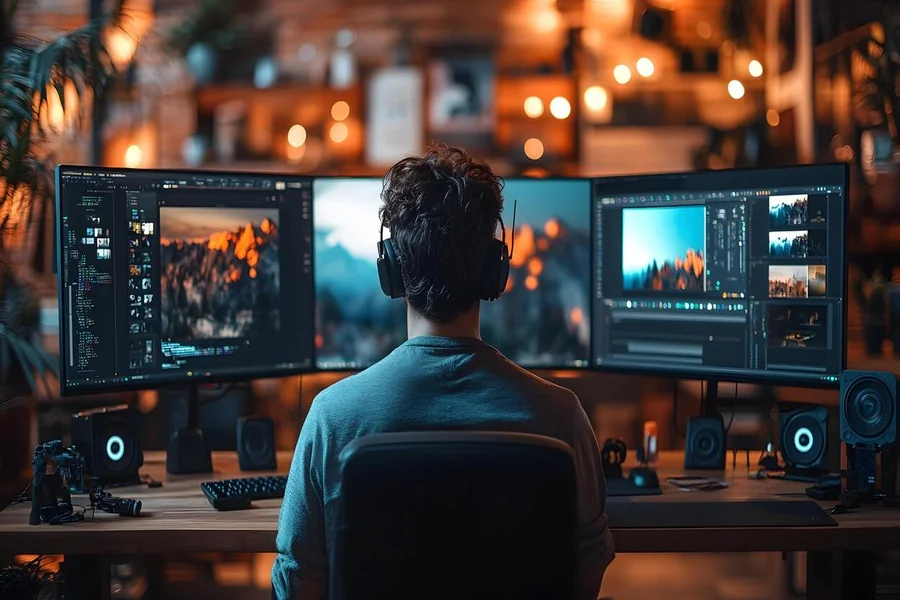
Image editing has traditionally required a combination of technical skills, creative judgment, and considerable time. Removing an unwanted object, adjusting a composition, changing a background, or preparing an image for a different platform could involve several editing steps. For professional teams producing large amounts of visual content, those small tasks can quickly become a significant part of the production schedule.
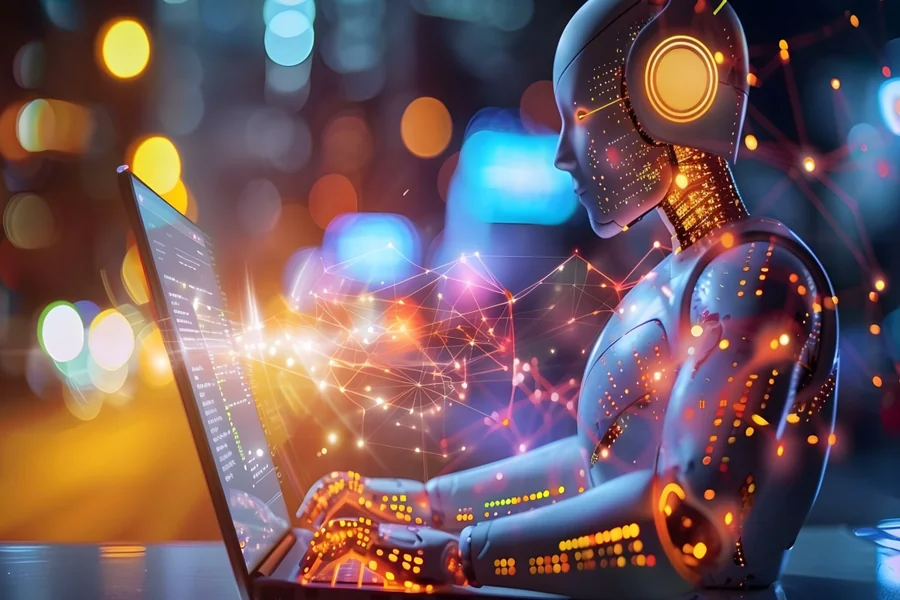
AI-powered image editing is changing this workflow by allowing users to make complex adjustments through simpler instructions and automated processes. Instead of manually performing every modification, creators can describe the change they want and review the resulting version. This approach does not remove the need for human oversight, but it can make experimentation and routine editing considerably more flexible. As digital content demands continue to increase, AI image editing is becoming another practical tool for improving speed while keeping creative decisions in human hands.
Making Complex Edits More Accessible
One of the most noticeable changes brought by AI image editing is the reduction of technical barriers. Traditional editing software can offer extensive control, but learning how to use advanced features effectively takes time. AI-assisted tools can simplify some of these processes by allowing users to describe an intended modification in natural language.
For example, a creator may want to change the setting of an image, adjust a visual element, or develop a variation of an existing composition. A Nano Banana 2.5 image editor can support this type of workflow by helping users explore image adjustments through AI-assisted editing capabilities.
The practical benefit is not limited to beginners. Experienced designers can also use faster editing workflows during the early stages of experimentation, when multiple concepts need to be tested before one final direction is selected.
Reducing Repetitive Production Work
Professional content production often involves repetitive editing tasks. An image may need several versions for different platforms, layouts, or audiences. Performing similar adjustments manually across numerous files can consume valuable creative time.
AI-assisted editing can help reduce this workload by accelerating certain routine modifications. Creators can explore variations of an image without rebuilding every version from the beginning. This is especially useful for marketing teams and social media professionals who regularly adapt visual assets for multiple channels.
However, automation works best when it supports a structured workflow. Editors still need to check proportions, visual consistency, text placement, and other details before an image is published. AI can shorten the production process, but quality control remains essential.
By reducing repetitive work, creative professionals can redirect more attention toward higher-value activities such as developing concepts, refining messaging, and maintaining a consistent visual identity.
The Importance of Natural-Language Instructions
AI image editing depends heavily on communication between the user and the tool. Clear instructions can help produce more predictable results, while vague descriptions may leave too much room for interpretation.
A useful editing instruction can identify the element that needs changing, explain the desired result, and provide relevant context. Instead of simply requesting a different background, for example, a user might describe the type of environment, lighting, perspective, and overall atmosphere they want.
This does not mean every instruction needs to be lengthy. The goal is clarity rather than unnecessary detail. Users can begin with the core requirement and refine it after reviewing the first result.
Over time, this process becomes more intuitive. Creators learn how specific descriptions affect outputs and can develop efficient approaches for recurring editing tasks. That learning curve can become an important part of integrating AI into an established creative workflow.
Maintaining Human Control Over Visual Quality
Automation can make editing faster, but human judgment remains critical. An AI-generated modification may technically follow an instruction while introducing details that do not fit the project’s purpose or visual standards.
Professional content often has requirements that go beyond appearance. Images may need to follow brand guidelines, communicate a particular message, or remain appropriate for a specific audience. Designers and editors understand these considerations and can identify problems that an automated process may overlook.
For this reason, AI editing should generally be treated as an assistant within the creative workflow rather than an independent decision-maker. It can provide options and accelerate adjustments, while people determine which results are useful.
This balance is particularly important for commercial and editorial content. A fast workflow has value only when the final image remains accurate, coherent, and aligned with the project’s goals.
Where AI Image Editing Is Heading
The role of AI in image editing is likely to expand as creative tools become better at understanding context and maintaining consistency between edits. Future workflows may involve more sophisticated combinations of generation, editing, resizing, enhancement, and format adaptation within a single creative environment.
For businesses, this could make visual production more adaptable. Teams may be able to create a core visual concept and then develop multiple versions for different channels without repeating the entire editing process.
The broader shift is toward workflows that combine automation with creative control. Instead of replacing established design principles, AI can help reduce the time required to execute them. Teams that establish clear review processes and maintain consistent creative standards can benefit from increased efficiency without allowing automation to determine the final creative direction.
Conclusion
AI image editing is reshaping how creators approach visual production by making many editing tasks faster and more accessible. Changes that once required multiple manual steps can increasingly be explored through AI-assisted workflows, giving users more flexibility when developing and adapting visual content.
The technology is most valuable when combined with human judgment. Clear instructions, careful review, brand awareness, and purposeful editing remain necessary for producing professional results. AI can accelerate experimentation and reduce repetitive work, but people still determine whether an image communicates the right message.
As these tools continue to develop, image editing will likely become more integrated with broader content workflows. The long-term opportunity is not simply faster editing, but a more flexible creative process in which technology handles routine adjustments while professionals remain responsible for quality, context, and creative direction.